
5 Weight-Gain Mistakes You Should Avoid in Your First Week
Avoid common weight-gain mistakes in your first week. Learn how to gain weight safely through proper nutrition, training and consistency.
Starting a weight-gain journey may seem simple : eat more and gain weight. However, many people make critical mistakes in their first week that slow progress before it even begins.
Below are the most common weight-gain errors people make in their first week and why they quietly sabotage results.
1. Not Consuming Enough Protein
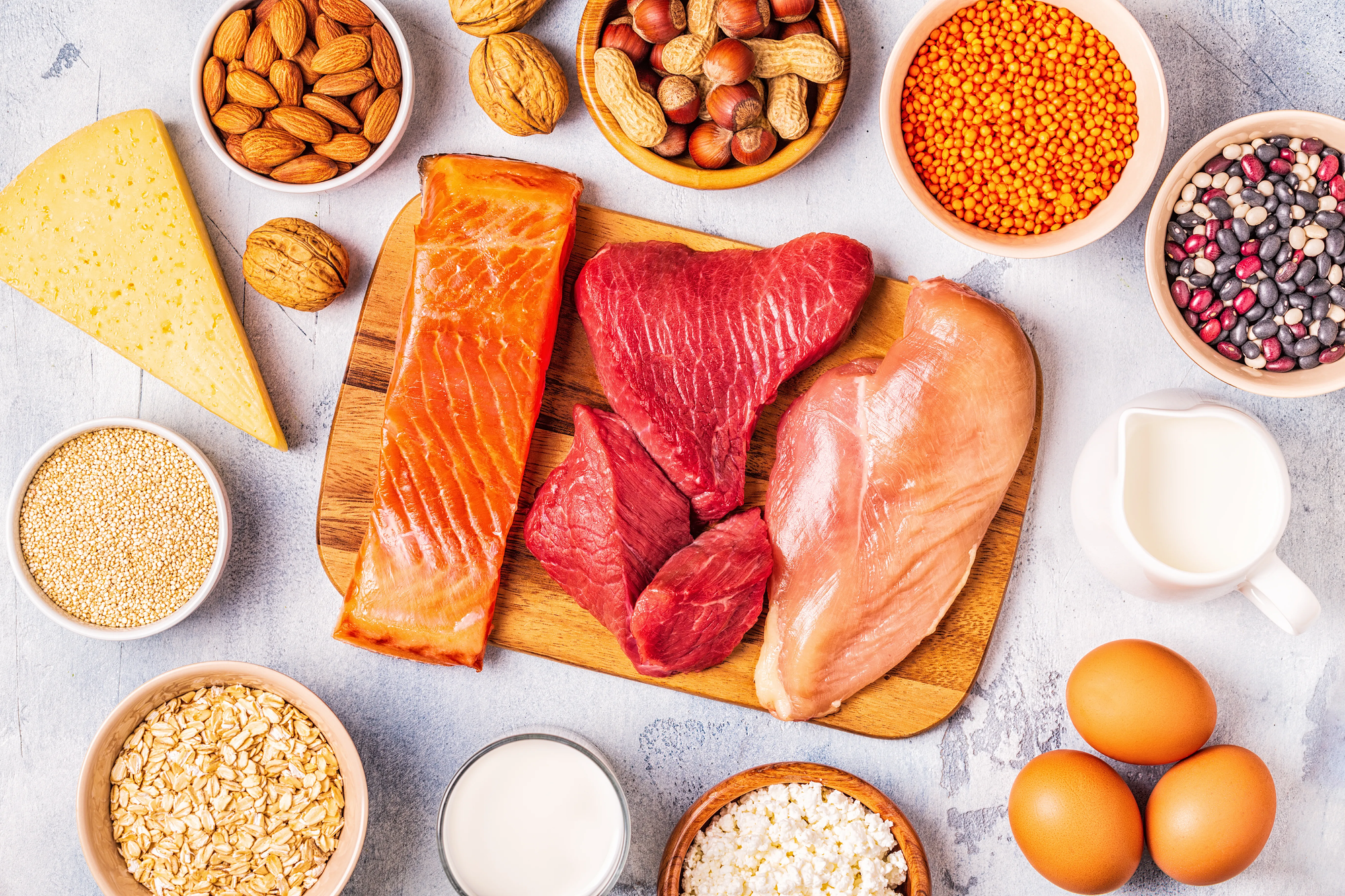
Calories matter, but protein determines what those calories become.
Protein provides the building blocks your body needs to repair and grow muscle tissue. Even if you increase your calorie intake, your body struggles to turn those calories into lean muscle without sufficient protein.
Protein also has a higher thermogenic effect than carbohydrates and fats. Your body burns more calories digesting it, which improves energy expenditure and supports better nutrient partitioning.
2. Relying on Junk Food to Gain Weight
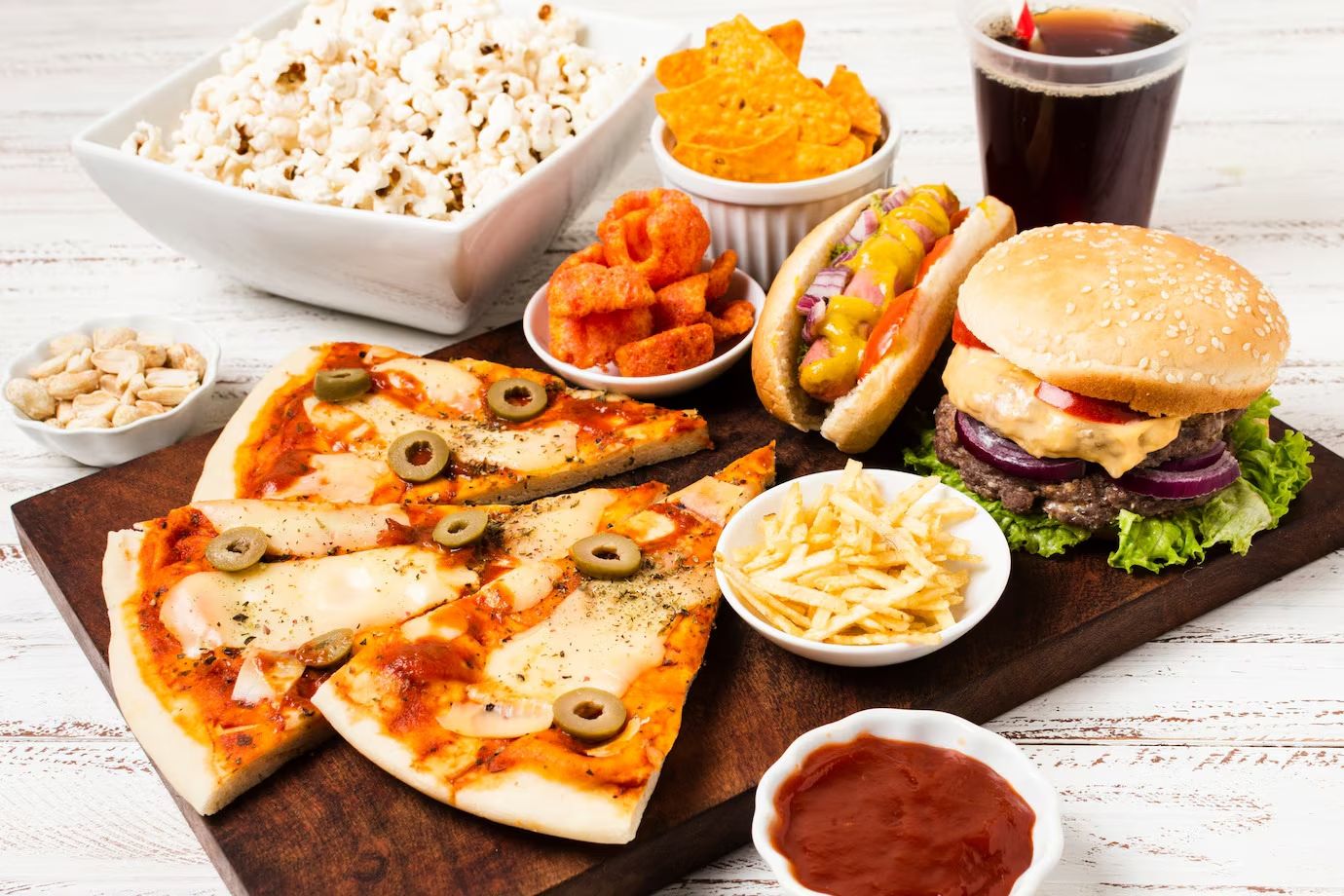
Weight gain falls into two categories: muscle mass and fat mass. Junk food promotes excessive fat gain.
It is high in calories, salt, sugar and unhealthy fats, yet low in protein, vitamins and minerals. This combination negatively affects body composition and overall health.
Foods that support muscle growth such as lean proteins, healthy fats and complex carbohydrates lead to healthier weight gain. You eat more, but you eat smarter.
3. Trying to Get All Calories from Solid Food

Meeting high-calorie targets using only solid food often means eating very large portions. At first, this may seem manageable, but bloating soon follows. Fullness lingers, appetite drops and eating becomes a chore.
Liquid calories help solve this problem. Smoothies, shakes and mass gainers provide calories without overloading your stomach. They digest quickly, are easier to consume consistently and can be highly nutritious when prepared correctly.
4. Inconsistent Eating Habits
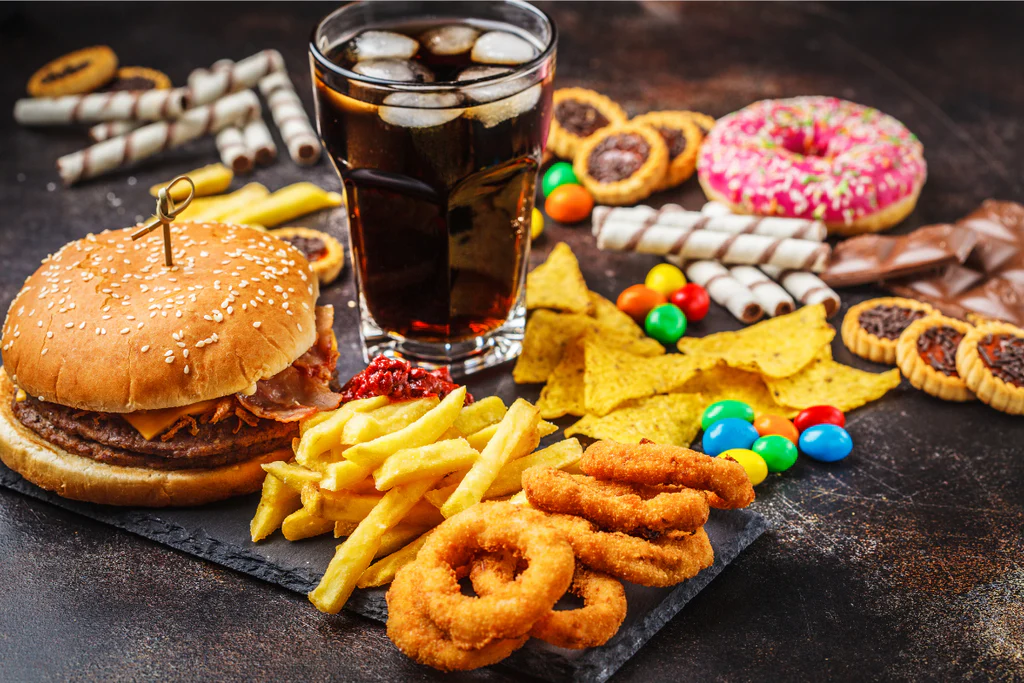
Many beginners eat well for a day or two, then miss meals or under-eat due to poor planning or low appetite.
Weight gain requires consistency. Missing calories even occasionally slows progress and makes it harder to stay in a surplus. Structured meals and planned snacks help maintain steady intake throughout the day.
5. Skipping Strength Training

Eating more without training gives your body little reason to build muscle. Calories not used during resistance training are more likely to be stored as fat.
Strength training creates small tears in muscle fibres. With adequate nutrition and rest, these fibres repair and grow stronger. Without training, weight gain becomes soft, unstructured and often frustrating.